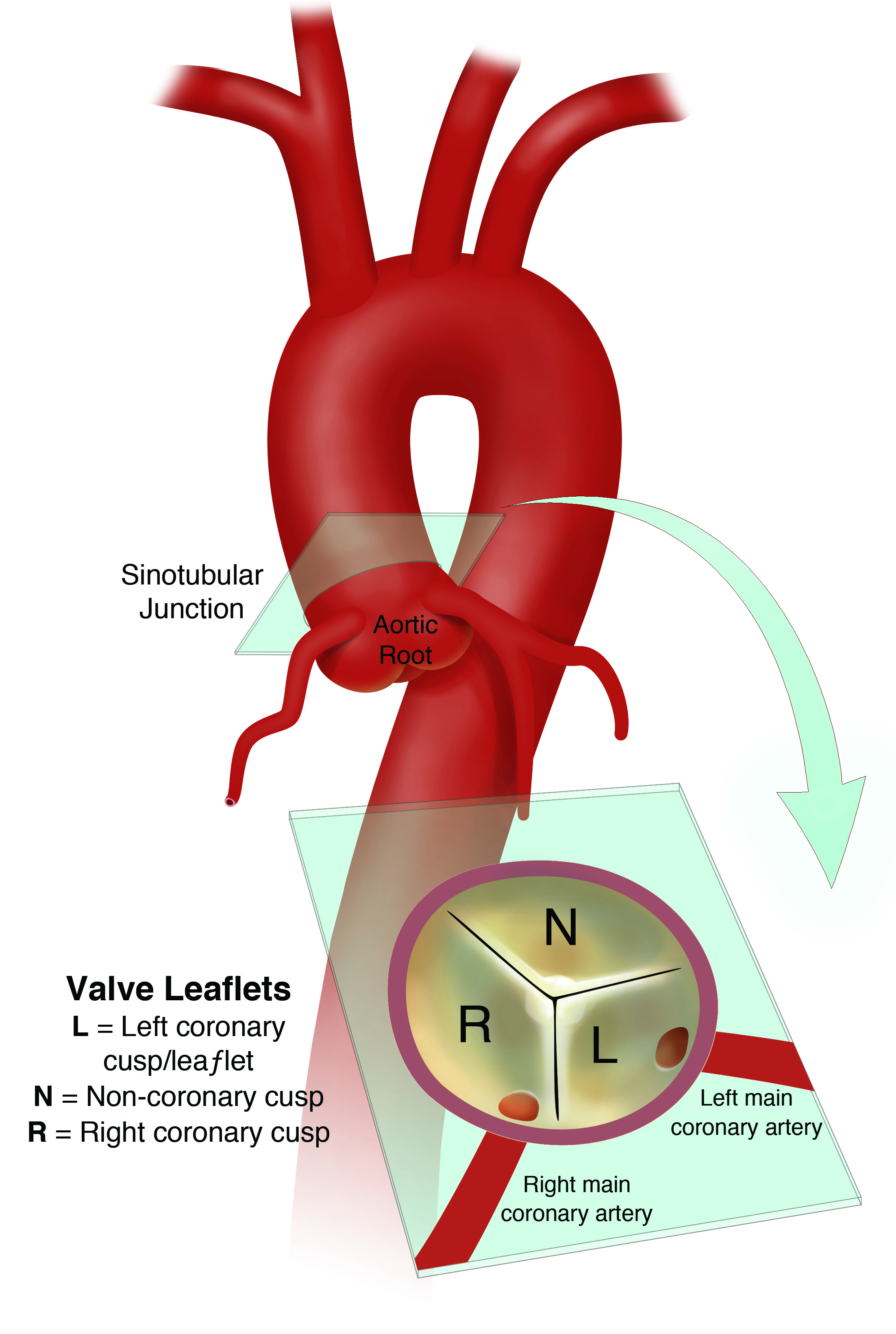
Aortic root replacement is a complex and critical surgical procedure designed to address severe aortic valve disease and aneurysms of the aortic root. This procedure involves replacing the aortic valve and the aortic root, which is the portion of the aorta that surrounds the aortic valve. The aortic root plays a crucial role in the heart's function, as it ensures proper blood flow from the heart to the rest of the body. When this area becomes diseased or damaged, it can lead to life-threatening conditions such as aortic dissection or rupture.
Understanding the Aortic Root
The aortic root is a critical component of the heart’s anatomy. It consists of several key structures, including the aortic valve, the sinuses of Valsalva, and the aortic annulus. The aortic valve, which is made up of three leaflets, regulates blood flow from the left ventricle to the aorta. The sinuses of Valsalva are the dilated portions of the aorta just above the valve, and the aortic annulus is the fibrous ring that supports the valve.
Indications for Aortic Root Replacement
Aortic root replacement is typically indicated in patients with severe aortic valve disease or aneurysms of the aortic root. Some of the most common indications include:
- Aortic regurgitation: A condition where the aortic valve does not close properly, allowing blood to leak back into the left ventricle.
- Aortic stenosis: A narrowing of the aortic valve that restricts blood flow from the left ventricle to the aorta.
- Aortic aneurysm: An enlargement of the aortic root that can lead to dissection or rupture.
- Marfan syndrome: A genetic disorder that affects the connective tissue, including the aortic root, leading to aneurysms and dissections.
- Bicuspid aortic valve: A congenital condition where the aortic valve has only two leaflets instead of three, which can lead to valve dysfunction and aneurysms.
Preoperative Evaluation
Before undergoing aortic root replacement, patients undergo a comprehensive preoperative evaluation to assess their overall health and the extent of their aortic disease. This evaluation typically includes:
- Echocardiography: An ultrasound of the heart that provides detailed images of the aortic valve and root.
- Computed tomography (CT) scan: A detailed imaging study that provides information about the size and shape of the aortic root and the presence of any aneurysms.
- Cardiac catheterization: A procedure that involves inserting a catheter into the heart to measure pressures and assess blood flow.
- Blood tests: To evaluate the patient’s overall health and identify any underlying conditions that may affect the surgery.
Surgical Techniques for Aortic Root Replacement
Aortic root replacement can be performed using several surgical techniques, depending on the patient’s specific condition and the surgeon’s preference. The most common techniques include:
Bentall Procedure
The Bentall procedure is a widely used technique for aortic root replacement. It involves replacing the aortic valve, the aortic root, and the ascending aorta with a composite graft that includes a mechanical or bioprosthetic valve. The coronary arteries are then reimplanted into the graft to restore blood flow to the heart.
David Procedure
The David procedure, also known as valve-sparing aortic root replacement, is a technique that preserves the patient’s own aortic valve. This procedure is suitable for patients with aortic root aneurysms but a normally functioning aortic valve. The aortic root is replaced with a synthetic graft, and the patient’s valve is reimplanted into the graft.
Yacoub Procedure
The Yacoub procedure is another valve-sparing technique that involves replacing the aortic root with a synthetic graft while preserving the patient’s aortic valve. This procedure is similar to the David procedure but uses a different method for reimplanting the valve.
Postoperative Care
After aortic root replacement, patients require careful postoperative care to ensure a successful recovery. This care typically includes:
- Intensive care monitoring: Patients are closely monitored in the intensive care unit (ICU) for the first few days after surgery to manage any potential complications.
- Pain management: Effective pain control is essential to promote comfort and facilitate early mobilization.
- Anticoagulation therapy: Patients with mechanical valves require lifelong anticoagulation therapy to prevent blood clots.
- Cardiac rehabilitation: A structured program of exercise and education to help patients regain strength and improve cardiovascular health.
Potential Complications
As with any major surgery, aortic root replacement carries certain risks and potential complications. Some of the most common complications include:
- Bleeding: Excessive bleeding during or after surgery can require blood transfusions or additional surgical interventions.
- Infection: Surgical site infections or endocarditis (infection of the heart valves) can occur and require prompt treatment with antibiotics.
- Stroke: The risk of stroke is increased during and after aortic root replacement due to the manipulation of the aorta and the potential for embolism.
- Kidney failure: The use of a heart-lung bypass machine during surgery can affect kidney function, leading to acute kidney injury or failure.
- Valve dysfunction: In some cases, the replaced valve may not function properly, requiring additional surgery or intervention.
🔍 Note: Patients should be aware of the signs of complications and seek immediate medical attention if they experience symptoms such as chest pain, shortness of breath, fever, or sudden weakness or numbness.
Long-Term Outcomes
The long-term outcomes of aortic root replacement are generally favorable, with most patients experiencing significant improvements in symptoms and quality of life. However, the specific outcomes can vary depending on the patient’s underlying condition, the type of procedure performed, and the presence of any comorbidities. Regular follow-up with a cardiologist is essential to monitor the patient’s condition and detect any potential complications early.
Patients who undergo aortic root replacement typically require lifelong follow-up to monitor the function of the replaced valve and the condition of the aorta. This follow-up may include regular echocardiograms, CT scans, and other diagnostic tests to assess the patient's cardiovascular health.
In some cases, patients may require additional interventions or surgeries to address complications or changes in their condition. For example, patients with mechanical valves may need to undergo valve replacement or repair if the valve becomes dysfunctional or if there is evidence of valve thrombosis.
Quality of Life After Aortic Root Replacement
For many patients, aortic root replacement can significantly improve their quality of life. By addressing the underlying aortic disease, the procedure can alleviate symptoms such as shortness of breath, fatigue, and chest pain, allowing patients to return to their normal activities and enjoy a better quality of life.
However, it is important to note that the recovery process can be lengthy and challenging. Patients may experience pain, discomfort, and limitations in their physical activities during the initial recovery period. It is essential to follow the postoperative care plan and participate in cardiac rehabilitation to promote a successful recovery and improve long-term outcomes.
Patients who undergo aortic root replacement may also experience psychological and emotional challenges, such as anxiety, depression, or post-traumatic stress disorder (PTSD). Seeking support from family, friends, and healthcare providers can help patients cope with these challenges and improve their overall well-being.
In addition to the physical and emotional benefits, aortic root replacement can also have a positive impact on a patient's social and occupational functioning. By improving cardiovascular health and reducing symptoms, the procedure can enable patients to return to work, engage in social activities, and maintain meaningful relationships.
Overall, aortic root replacement is a life-saving procedure that can significantly improve the quality of life for patients with severe aortic valve disease or aneurysms. With proper preoperative evaluation, surgical technique, and postoperative care, patients can achieve favorable long-term outcomes and enjoy a better quality of life.
In conclusion, aortic root replacement is a critical procedure for addressing severe aortic valve disease and aneurysms. By understanding the indications, preoperative evaluation, surgical techniques, postoperative care, and potential complications, patients and healthcare providers can work together to achieve the best possible outcomes. Regular follow-up and adherence to the postoperative care plan are essential for monitoring the patient’s condition and promoting long-term success. With proper management, patients can experience significant improvements in symptoms, quality of life, and overall cardiovascular health.
Related Terms:
- aortic root surgery recovery time
- aortic root repair vs replacement
- aortic root surgery prognosis
- is aortic root surgery dangerous
- aortic root replacement surgery risks
- aortic root rehab recovery time