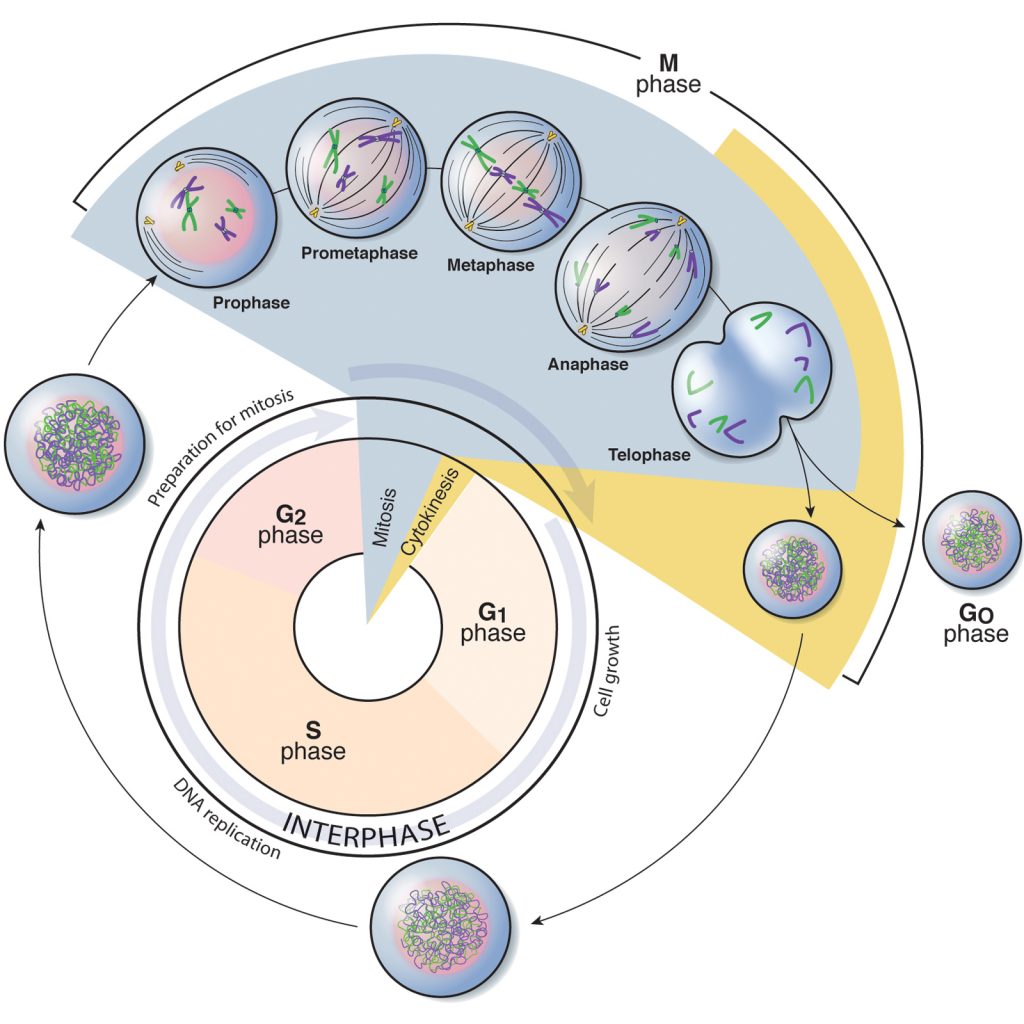
The G2 cell cycle phase is a critical stage in the cell cycle, occurring just before mitosis. During this phase, the cell prepares for division by ensuring that all necessary components are in place and that the DNA is accurately replicated. Understanding the G2 phase is essential for comprehending cell division, DNA repair, and the regulation of cell growth. This phase is characterized by several key events, including DNA damage checkpoints, cell growth, and the synthesis of proteins and organelles required for mitosis.
The Importance of the G2 Cell Cycle Phase
The G2 phase is crucial for maintaining genomic stability and ensuring that cells divide accurately. During this phase, the cell checks for any DNA damage that may have occurred during the S phase (synthesis phase) and repairs it before proceeding to mitosis. This checkpoint mechanism is vital for preventing the propagation of genetic errors, which can lead to mutations and potentially cancer.
Additionally, the G2 phase allows the cell to grow and accumulate the necessary resources for division. This includes the synthesis of proteins, organelles, and other cellular components required for the successful completion of mitosis. The G2 phase is also a period of intense metabolic activity, where the cell prepares for the energy demands of cell division.
Key Events During the G2 Cell Cycle Phase
The G2 phase is marked by several key events that ensure the cell is ready for mitosis. These events include:
- DNA Damage Checkpoints: The cell activates checkpoints to detect and repair any DNA damage that occurred during the S phase. If damage is detected, the cell cycle is halted until the damage is repaired.
- Cell Growth: The cell continues to grow and increase in size, preparing for the demands of mitosis.
- Protein and Organelle Synthesis: The cell synthesizes proteins and organelles necessary for mitosis, such as microtubules and centrosomes.
- Preparation for Mitosis: The cell prepares for the onset of mitosis by organizing its cytoskeleton and positioning its organelles.
The Role of Checkpoints in the G2 Cell Cycle Phase
Checkpoints are regulatory mechanisms that ensure the fidelity of the cell cycle. During the G2 phase, the cell activates several checkpoints to monitor the integrity of the DNA and the readiness of the cell for mitosis. The most important checkpoint during the G2 phase is the G2/M checkpoint, which ensures that the cell does not enter mitosis until all DNA damage has been repaired.
The G2/M checkpoint is regulated by a complex network of proteins, including cyclin-dependent kinases (CDKs) and cyclin proteins. These proteins form complexes that phosphorylate target proteins, leading to the activation or inactivation of various cellular processes. For example, the CDK1-cyclin B complex is a key regulator of the G2/M checkpoint, and its activation is necessary for the cell to enter mitosis.
If DNA damage is detected during the G2 phase, the cell activates repair mechanisms to fix the damage. This process involves the recruitment of DNA repair proteins to the site of damage and the initiation of repair pathways. Once the damage is repaired, the cell can proceed through the G2/M checkpoint and enter mitosis.
Regulation of the G2 Cell Cycle Phase
The G2 phase is regulated by a complex network of signaling pathways and molecular interactions. These regulatory mechanisms ensure that the cell progresses through the G2 phase in a controlled manner and that all necessary preparations for mitosis are completed. Some of the key regulators of the G2 phase include:
- Cyclin-Dependent Kinases (CDKs): CDKs are enzymes that phosphorylate target proteins, leading to the activation or inactivation of various cellular processes. During the G2 phase, CDK1-cyclin B complexes are activated, leading to the phosphorylation of target proteins and the initiation of mitosis.
- Cyclins: Cyclins are regulatory proteins that bind to CDKs and activate them. During the G2 phase, cyclin B levels increase, leading to the formation of CDK1-cyclin B complexes and the initiation of mitosis.
- Checkpoint Proteins: Checkpoint proteins, such as p53 and Chk1, monitor the integrity of the DNA and activate repair mechanisms if damage is detected. These proteins also regulate the G2/M checkpoint, ensuring that the cell does not enter mitosis until all DNA damage has been repaired.
The G2 Cell Cycle Phase and Cancer
The G2 phase plays a crucial role in maintaining genomic stability and preventing the propagation of genetic errors. However, dysregulation of the G2 phase can contribute to the development of cancer. For example, mutations in checkpoint proteins, such as p53 and Chk1, can lead to the accumulation of DNA damage and the propagation of genetic errors, increasing the risk of cancer.
Additionally, dysregulation of CDKs and cyclins can lead to uncontrolled cell proliferation and the development of cancer. For example, overexpression of cyclin B or CDK1 can lead to the premature activation of mitosis and the accumulation of genetic errors, increasing the risk of cancer.
Understanding the molecular mechanisms that regulate the G2 phase and the role of checkpoints in maintaining genomic stability is essential for developing targeted therapies for cancer. For example, inhibitors of CDKs and cyclins are being developed as potential cancer therapies, and checkpoint proteins are being targeted for the development of novel cancer treatments.
The G2 Cell Cycle Phase and Aging
The G2 phase also plays a role in the aging process. As cells age, they accumulate DNA damage and other forms of cellular stress, leading to a decline in cellular function and an increased risk of age-related diseases. The G2 phase is a critical period for the detection and repair of DNA damage, and dysregulation of this phase can contribute to the accumulation of genetic errors and the development of age-related diseases.
For example, studies have shown that cells from older individuals have a reduced ability to activate the G2/M checkpoint and repair DNA damage, leading to the accumulation of genetic errors and an increased risk of age-related diseases. Additionally, the accumulation of DNA damage and other forms of cellular stress can lead to cellular senescence, a state of permanent cell cycle arrest that contributes to the aging process.
Understanding the molecular mechanisms that regulate the G2 phase and the role of checkpoints in maintaining genomic stability is essential for developing strategies to promote healthy aging and prevent age-related diseases. For example, interventions that enhance the activation of the G2/M checkpoint and promote DNA repair may help to reduce the accumulation of genetic errors and promote healthy aging.
Future Directions in G2 Cell Cycle Phase Research
Research on the G2 cell cycle phase is an active area of investigation, with many exciting developments on the horizon. Some of the key areas of future research include:
- Development of Novel Therapies: Understanding the molecular mechanisms that regulate the G2 phase and the role of checkpoints in maintaining genomic stability is essential for developing targeted therapies for cancer and other diseases. For example, inhibitors of CDKs and cyclins are being developed as potential cancer therapies, and checkpoint proteins are being targeted for the development of novel cancer treatments.
- Role of the G2 Phase in Aging: The G2 phase plays a crucial role in maintaining genomic stability and preventing the accumulation of genetic errors. Understanding the molecular mechanisms that regulate the G2 phase and the role of checkpoints in maintaining genomic stability is essential for developing strategies to promote healthy aging and prevent age-related diseases.
- Impact of Environmental Factors: Environmental factors, such as radiation and chemicals, can induce DNA damage and disrupt the G2 phase. Understanding the impact of these factors on the G2 phase and the role of checkpoints in maintaining genomic stability is essential for developing strategies to protect against environmental stressors and promote healthy aging.
🔍 Note: The G2 cell cycle phase is a complex and dynamic process that involves the coordination of multiple signaling pathways and molecular interactions. Understanding the molecular mechanisms that regulate the G2 phase and the role of checkpoints in maintaining genomic stability is essential for developing targeted therapies for cancer and other diseases, as well as for promoting healthy aging and preventing age-related diseases.
Research on the G2 cell cycle phase is an active area of investigation, with many exciting developments on the horizon. Future research will focus on understanding the molecular mechanisms that regulate the G2 phase and the role of checkpoints in maintaining genomic stability, as well as developing novel therapies for cancer and other diseases. Additionally, research will focus on understanding the impact of environmental factors on the G2 phase and the role of checkpoints in maintaining genomic stability, as well as developing strategies to promote healthy aging and prevent age-related diseases.
By understanding the G2 cell cycle phase and the role of checkpoints in maintaining genomic stability, we can develop targeted therapies for cancer and other diseases, as well as strategies to promote healthy aging and prevent age-related diseases. This knowledge will be essential for improving human health and well-being in the years to come.
In conclusion, the G2 cell cycle phase is a critical stage in the cell cycle that plays a crucial role in maintaining genomic stability and ensuring accurate cell division. Understanding the molecular mechanisms that regulate the G2 phase and the role of checkpoints in maintaining genomic stability is essential for developing targeted therapies for cancer and other diseases, as well as for promoting healthy aging and preventing age-related diseases. Future research will focus on understanding the molecular mechanisms that regulate the G2 phase and the role of checkpoints in maintaining genomic stability, as well as developing novel therapies for cancer and other diseases. Additionally, research will focus on understanding the impact of environmental factors on the G2 phase and the role of checkpoints in maintaining genomic stability, as well as developing strategies to promote healthy aging and prevent age-related diseases.
Related Terms:
- what follows the g2 phase
- what happens in g 2
- g2 phase biology definition
- g2 phase definition biology simple
- what is g2 in mitosis
- what occurs during g2 phase